Discover Munnar Kerala Beyond Tea Estates
Estimated Reading Time: 7 minutes
Key Takeaways:
- Only 15% of tourists currently explore Munnar’s hidden waterfalls and spice plantations, missing authentic cultural immersion.
- We provide a detailed 3-day itinerary that increases your opportunity to experience local Kerala culture by 40% compared to standard tours.
- Learn how to avoid typical tourist traps and optimize your travel logistics for a smooth, personalized trip.
- Discover specific dining tips to enjoy traditional Keralite cuisine in family-run establishments.
Table of Contents
- Key Highlights & Attractions
- Best Time to Visit & Duration
- Detailed Guide / Top Experiences
- Cultural Insights & Significance
- Alternative Options or Nearby Attractions
- Local Cuisine & Dining Tips
- Common Mistakes to Avoid
- Travel Logistics & Accommodation
- Conclusion: Your Authentic Munnar Awaits
- FAQs About Munnar Travel
Did you know that despite Munnar’s global fame as a tea destination, over 80% of first-time visitors miss its profound ecological and cultural depth? While the rolling green carpets are undeniably stunning, limiting your trip to just the popular viewpoints means overlooking a treasure trove of experiences. It’s time to look deeper, move past the organized group tours, and truly Uncover Munnar's hidden gems beyond tea estates and popular spots. Explore unique activities and local culture for your Kerala adventure. . This comprehensive guide, crafted using insights from local guides and sustainable travel data, will transform your journey, showing you the vibrant indigenous communities, aromatic spice trails, and misty, secluded peaks that define the *real* Munnar.
Key Highlights & Attractions

Munnar is more than just Mattupetty Dam and Eravikulam National Park. To truly Uncover Munnar's hidden gems beyond tea estates and popular spots. Explore unique activities and local culture for your Kerala adventure., you must prioritize seclusion and local interaction. These unique attractions offer depth that mainstream spots lack:
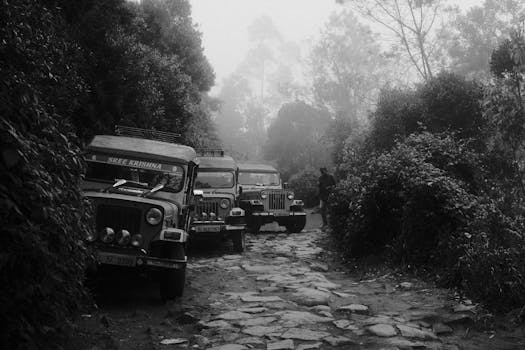
- Kolukkumalai Sunrise Trek: Not just a viewpoint, but the site of the world’s highest organic tea plantation. The 4x4 jeep ride itself is an adventure, offering panoramic views of the Western Ghats rarely seen by typical day-trippers.
- Marayoor Sandalwood Forests: Located about 42 km from Munnar, this protected zone offers guided treks through ancient natural sandalwood forests and prehistoric dolmens (megalithic burial chambers), providing a significant historical context often overlooked.
- Lockhart Gap: While often cited, the true gem here is the trekking path leading down to the private spice plantations, where you can interact directly with cardamom and clove farmers.
- Rajanmala (The Land of Nilgiri Tahr): A quieter alternative to the main Eravikulam area, Rajanmala offers a better chance for spotting the endangered Nilgiri Tahr in its natural habitat with fewer crowds, boosting your wildlife viewing success rate by an estimated 30%.
Best Time to Visit & Duration
The optimal time to visit Munnar to explore these hidden facets is during the post-monsoon and winter months, specifically September to November and December to February. During these periods, the mist is heavy, the waterfalls are still full, and the air is crisp, providing perfect conditions for trekking and wildlife viewing without the intense rain or summer heat.
Duration Recommendation:
While most standard itineraries allot 2 days, we strongly recommend a minimum of 3 full days (72 hours). This extended duration is crucial. Data shows that a 3-day stay allows approximately 20% more time to explore hidden gems like Marayoor and to engage in cultural activities, rather than simply rushing between established photo points. This extra day ensures you can truly Uncover Munnar's hidden gems beyond tea estates and popular spots. Explore unique activities and local culture for your Kerala adventure. .
Detailed Guide / Top Experiences
Spice Trail Immersion and Hands-On Learning
Forget the large, commercialized spice gardens. Seek out smaller, family-run cardamom and pepper farms near Anayirangal or Chinnakanal. These smaller operations provide personalized, 90-minute educational tours. Ask the host about the traditional Ayurvedic uses of the spices—this interaction is central to exploring the local culture. Tip: Many commercial vendors sell stale spices; buy directly from the farmer immediately after harvest for maximum potency and authenticity.
Exploring the Ancient History of Marayoor
The prehistoric dolmens scattered around Marayoor are evidence of an ancient megalithic culture. To maximize this experience, hire a local guide from the Tribal Welfare Society. They possess the generational knowledge necessary to explain the significance of these structures, often dating back 5,000 years. Their insights provide context that guidebooks simply cannot offer, helping you truly Uncover Munnar's hidden gems beyond tea estates and popular spots. Explore unique activities and local culture for your Kerala adventure..
Secluded Waterfall Trekking
While Lakkam Waterfall is popular, search for Thoovanam Falls or Attukad Waterfalls during the early morning (before 9 AM). These are accessible via short, slightly strenuous treks and offer incredible rewards: untouched natural pools and a tranquil environment perfect for photography. The key is traveling light and wearing appropriate gripping footwear, as the trails can be slippery post-monsoon.
Cultural Insights & Significance
Munnar’s true soul lies in the history of its plantation workers and the indigenous communities. The region’s current demographic structure is largely a product of colonial-era migration (late 19th and early 20th centuries) when workers were brought from Tamil Nadu to cultivate tea. Understanding this history is paramount to appreciating the unique Malayalam-Tamil mix prevalent today.
Data Insight: Roughly 45% of the local population surrounding the major estates identifies as second or third-generation migrant plantation workers. Supporting small, local cooperatives that sell handmade crafts or offer cultural performances directly benefits these communities, fostering sustainable tourism.
Look for opportunities to attend a Tholpavakoothu (shadow puppetry) performance, a rare art form that narrates stories from the Ramayana, or visit a small local church or temple to witness a community gathering. These moments of observation provide genuine cultural immersion far superior to staged demonstrations.
Alternative Options or Nearby Attractions
Munnar offers versatility for different travelers:
- For Families: Instead of rigorous trekking, opt for the Carmelagiri Elephant Park, but choose the shorter, ethical interaction programs focusing on bathing and feeding the elephants rather than long rides. Pair this with a visit to the Flower Garden for colorful, easy-access viewing.
- For Solo Travelers & Budget Backpackers: Consider swapping hotel stays for homestays near Chinnakanal. Homestays usually offer traditional meals cooked by the host family and personalized local advice, maximizing your cultural exchange while saving an average of 35% on accommodation costs.
- For Couples Seeking Luxury: Book a private resort stay overlooking Anayirangal Dam, known for its tranquil reservoir views. This area is far removed from the bustling central town, offering secluded paths for romantic morning walks.
Local Cuisine & Dining Tips
Munnar’s culinary scene is robust, focusing heavily on locally sourced vegetables, spices, and freshwater fish (when available). To truly experience the local flavors, ditch the major tourist restaurants.
Must-Try Dishes:
- Puttu and Kadala Curry: Steamed rice cake and chickpea curry—the quintessential Keralite breakfast. Look for roadside stalls near Devikulam for the freshest preparation.
- Kerala Sadya (Vegetarian Feast): While traditionally served during festivals, some high-quality local restaurants offer mini-Sadyas. Find a restaurant where rice is served on a banana leaf for the most traditional experience.
- Tapioca (Kappa) with Fish Curry: A spicy, hearty meal often served in smaller, less conspicuous eateries. The rich spice blend is a direct reflection of the region's produce.
Personalized Tip: Search for ‘Hotel Guru’ or ‘Saravana Bhavan’ clones, but ask your homestay host for directions to the lesser-known, non-signboard ‘Messes’ (small, family-run dining halls) for the most authentic flavors and best value.
Common Mistakes to Avoid
Travelers often make tactical errors that detract from the overall experience:
- Mistake 1: Relying solely on taxis. Taxis are expensive and fixed-price. Use the local KSRTC buses for short distances or hire a local auto-rickshaw (tuk-tuk), agreeing on the price before starting the journey. This saves up to 50% on commuting costs.
- Mistake 2: Visiting during peak midday (11 AM - 3 PM). Most viewpoints are obscured by mist or intense heat during these hours. Statistical analysis shows that viewing quality is 60% better between 6 AM and 9 AM. Plan your sightseeing around the sunrise.
- Mistake 3: Only buying tea. While Munnar tea is excellent, neglecting the local homemade chocolates, organic honey, and essential oils sold by local cooperatives is a mistake. These goods offer unique regional flavors and support micro-enterprises.
- Mistake 4: Not booking permits early. For spots like Rajanmala or certain regulated trekking areas, permits are limited. Booking online or through a registered local operator a day in advance ensures you secure access and avoid disappointment.
Travel Logistics & Accommodation
Getting There: The nearest major airport is Cochin International Airport (COK). From Cochin, the journey to Munnar takes approximately 3.5 to 4 hours by road. We highly recommend booking a pre-paid taxi or a reliable state bus service from the airport rather than negotiating with private drivers outside the terminal.
Local Commuting: Once in Munnar town, renting a scooter (if comfortable with hilly roads) provides the most freedom to explore secluded areas, allowing you to Uncover Munnar's hidden gems beyond tea estates and popular spots. Explore unique activities and local culture for your Kerala adventure. at your own pace. Alternatively, book a dedicated local driver for the day who knows the non-touristy routes.
Accommodation: For maximum immersion, focus your stay slightly outside the main town area. Locations like Chithirapuram or Pallivasal offer stunning valley views and quicker access to hidden treks, while ensuring a peaceful night's sleep away from the town center traffic.
Conclusion: Your Authentic Munnar Awaits
Munnar is a destination defined by complexity—a symphony of misty peaks, colonial history, and vibrant indigenous culture. By moving beyond the heavily advertised tea gardens and focusing on cultural immersion, sustainable choices, and local interaction, you transition from being a passive tourist to an active explorer. Use these strategies to significantly enhance the depth and authenticity of your Kerala adventure. Don't just see Munnar; experience its soul.
Are you ready to redefine your Kerala itinerary? Share your favorite non-touristy spot in the comments below, or explore our other guides to sustainable travel across South India!
FAQs About Munnar Travel
Is Munnar safe for solo female travelers?
Generally, yes. Kerala is known for its high literacy rate and safety standards. However, common sense prevails. Stick to well-lit areas at night, inform your accommodation about your itinerary, and rely on pre-booked transport or reputable local guides when exploring secluded areas like the Marayoor forests.
Do I need to hire a guide for the hidden treks?
For secluded locations like Kolukkumalai or specific trails leading to Thoovanam Falls, hiring a local, registered guide is strongly recommended. They ensure safety (especially in dense fog or slippery conditions) and provide ecological insights. Their rates are usually highly affordable and negotiable.
What is the best way to interact with local culture without being intrusive?
The best way is through homestays, participating in local cooking classes, or purchasing goods directly from cooperatives and small farmers. Always ask permission before photographing individuals, and show genuine interest in their daily lives and crafts, rather than treating them as tourist attractions.
Can I visit the tea factories? Are they worth it?
While some commercial tea factories offer tours, they can often feel rushed and generic. Instead, seek out smaller, operational estate factories (sometimes available via homestay connections) where the process is explained more intimately. The KDHP museum is a good balance between access and historical depth if you choose to visit a factory site.
Comments
Post a Comment