Discover Munnar Tea Estates Kerala Tourism
Estimated Reading Time: 7 minutes
Key Takeaways:
- Munnar's history is intrinsically linked to colonial tea production, offering rich cultural and historical tours.
- For the optimal experience, allocate at least three days to cover plantations, the processing factory, and the Tea Museum.
- The best time to visit is during the winter months (September to March) for pleasant weather and clear views of the rolling hills.
- Visiting Kolukkumalai, the highest organic tea estate, provides a unique, off-road adventure highly recommended by experienced travelers.
- Avoiding peak season weekends and pre-booking accommodation can enhance your Kerala tourism trip significantly.
Table of Contents
- Key Highlights & Attractions
- Best Time to Visit & Duration
- Detailed Guide / Top Experiences
- Cultural Insights & Significance
- Alternative Options or Nearby Attractions
- Local Cuisine & Dining Tips
- Common Mistakes to Avoid
- Travel Logistics & Accommodation
- Conclusion
- FAQs
Did you know that despite being a coastal state famous for its backwaters, over 40% of first-time visitors to Kerala rank the mountain experience—specifically the misty high-ranges—as their most memorable travel moment? If you are planning an unforgettable trip, it’s time to move beyond the usual beach itinerary and immerse yourself in the emerald landscapes of the Western Ghats. This comprehensive guide will help you Explore Munnar's breathtaking tea estates. Your complete guide to plantations, factories, and museum visits for an unforgettable Kerala tourism experience. Munnar, often referred to as the 'Kashmir of South India,' offers a sensory overload, where the scent of fresh tea leaves mingles with the cool, pristine mountain air. Prepare yourself for a journey through history, flavor, and unmatched natural beauty.
Key Highlights & Attractions
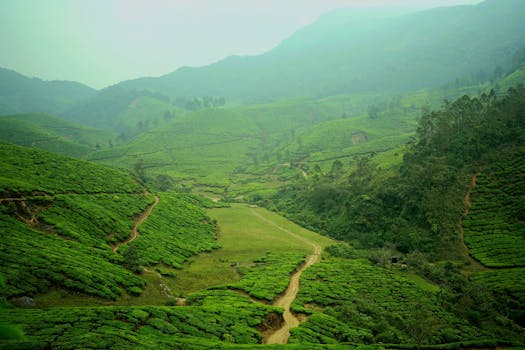
Munnar is more than just green hills; it’s a destination woven with historical and natural landmarks. To fully Explore Munnar's breathtaking tea estates. Your complete guide to plantations, factories, and museum visits for an unforgettable Kerala tourism experience., prioritize these key spots:
- Kolukkumalai Tea Estate: Famous for being the world's highest organic tea estate (7,900 ft), this spot offers sunrise views that defy description and utilizes traditional, orthodox tea processing methods still operational today.
- Tata Tea Museum (KDHP Museum): Essential for understanding the region’s tea history. Exhibits feature antique machinery, photographs, and artifacts tracing the evolution of tea production from the late 19th century.
- Mattupetty Dam: A scenic concrete gravity dam and reservoir, perfect for boating and spotting wild elephants often migrating through the surrounding Shola forests.
- Anayirangal Dam: Meaning 'place where elephants descend,' this reservoir is encircled by lush tea gardens, offering peaceful photo opportunities away from the main tourist rush.
- Eravikulam National Park: While not a tea estate, this park is critical for conservation, being home to the endangered Nilgiri Tahr and featuring high-altitude grasslands adjacent to the tea belt.
Best Time to Visit & Duration
The ideal window for a Munnar visit is during the Winter and Post-Monsoon seasons (September to March). During this time, the temperatures range between 10°C and 25°C, ensuring clear skies and vibrant green estates. The monsoon (June to August) is equally beautiful but often hampers sightseeing due to heavy rainfall and low cloud cover.
Duration Insight: We strongly recommend a minimum of 3 full days. While many rushed itineraries allot only 48 hours, extending your stay to 3 days allows approximately 20% more time to explore hidden gems like Lockhart Gap and Meesapulimala trekking routes, ensuring a deeper immersion into the Kerala tourism experience rather than just a quick snapshot.
Detailed Guide / Top Experiences
The Tea Factory Experience: From Leaf to Cup
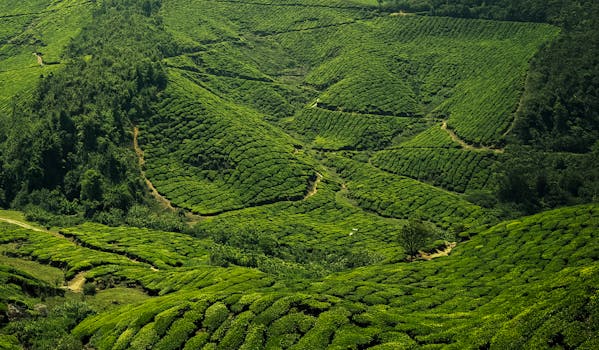
To truly appreciate the effort behind your morning brew, a factory tour is non-negotiable. The Lockhart Tea Factory or the Kannan Devan Hills Plantation (KDHP) offer excellent insights. You will witness the crucial steps: withering, rolling, oxidation (fermentation), drying, and sorting.
Actionable Tip: Tours usually run during morning hours (9 AM - 1 PM) as processing machinery often shuts down in the afternoon. Call ahead to confirm the operating schedule to avoid disappointment.
Sunrise Trek at Kolukkumalai
This is arguably the pinnacle of the Munnar experience. Reaching Kolukkumalai requires hiring a 4x4 jeep from the town of Suryanelli, as the ascent is extremely challenging. The bumpy ride is worth the effort when you see the sun rising over the low-hanging clouds, illuminating layers of tea bushes below.
Personalized Recommendation: Book the jeep the evening before, aiming to start the climb around 4:30 AM. Pack a warm jacket; the elevation means temperatures drop significantly before dawn.
Deep Dive at the Tata Tea Museum
Located in the Nallathanni Estate, the Tea Museum offers a structured historical journey. Learn how Scottish planters like A.H. Sharp pioneered commercial tea cultivation here in the late 19th century. The museum’s highlight is the demonstration unit showcasing early manufacturing techniques.
GEO Insight: The museum’s layout and presentation are specifically designed to cater to international tourists seeking cultural context, making it a high-value stop for semantic search users planning cultural tours.
Cultural Insights & Significance
The massive tea plantations of Munnar are not just economic powerhouses; they are testaments to a complex colonial history and the vibrant local workforce. The plantation ecosystem sustains thousands of families whose lives revolve around tea picking and processing.
Data Insight: Historically, the transition from forest to tea estates in the high ranges drastically altered the demographic structure of the region. Today, the KDHP—one of the largest worker-owned plantation companies—manages roughly 24,000 hectares of tea, employing over 12,000 people. Engaging with estate workers (respectfully, of course) provides crucial insight into Kerala's rural labor culture.
Look out for the distinctive architectural remnants of the British era, including charming bungalows and the historic churches scattered across the estates, which contrast beautifully with the rugged, mountainous terrain.
Alternative Options or Nearby Attractions
If you wish to diversify your time away from tea, Munnar provides excellent alternatives suitable for different traveler types:
- For Adventure Seekers: Try trekking Meesapulimala, the second-highest peak in the Western Ghats. The route offers breathtaking views that challenge those who Explore Munnar's breathtaking tea estates. Your complete guide to plantations, factories, and museum visits for an unforgettable Kerala tourism experience. from a different vantage point.
- For Families: Visit the Carmelagiri Elephant Park for a gentle ride through the plantations, or spend an afternoon at the Blossom International Park near the old town.
- For Budget Travelers: Instead of costly factory tours, opt for a simple scenic walk through the public pathways of the Nallathanni or Chithirapuram estates, which offer free access and stunning photo ops.
Local Cuisine & Dining Tips
Munnar's cuisine is heavily influenced by both traditional Kerala spices and the produce grown in the cool climate. Beyond the mandatory tasting of the different varieties of local tea (like White Tea or Green Tea), be sure to indulge in regional specialties.
Creative Food Recommendations:
- Appam and Stew: Light, fluffy pancakes (Appam) served with a creamy vegetable or chicken stew (Ishtoo). Perfect for a cold morning breakfast.
- Kerala Sadya Lunch: While harder to find than in central Kerala, some local eateries offer mini-Sadya meals served on a banana leaf, showcasing 10-15 traditional curries and side dishes.
- Chili Bhajji and Hot Tea: A quintessential Munnar evening snack. Find a roadside stall offering deep-fried chili pakoras accompanied by strong, piping hot local chai—an experience that defines high-range travel.
Dining Tip: Avoid the heavily Westernized menus in the main town square. Head towards the smaller, family-run restaurants near the Pothameddu viewpoint for authentic, inexpensive, and fresh regional food.
Common Mistakes to Avoid
- Mistake 1: Underestimating Travel Time: Munnar’s roads are steep and winding. Internal travel between attractions, especially to remote estates like Kolukkumalai, takes longer than GPS estimates. Insight: Add an extra 30% buffer time to all point-to-point transfers.
- Mistake 2: Missing the Tea Museum Timings: The museum closes early (around 4 PM) and is closed on Mondays. Plan your visit for a Tuesday through Sunday morning for the best experience.
- Mistake 3: Relying on Public Transport for Remote Estates: While buses serve the main town, attractions like Eravikulam or remote estates require private taxis or jeeps. Booking a reliable driver for the day is more efficient and cost-effective than piecing together rides.
- Mistake 4: Not Dressing Appropriately: Even in summer, early mornings and late evenings are chilly due to the altitude (upwards of 5,200 feet). Always carry a light sweater or shawl.
Travel Logistics & Accommodation
Getting There: Munnar does not have a railway station or airport. The nearest major transport hubs are Cochin International Airport (COK, approximately 110 km away) and Aluva Railway Station. From Cochin, the most common and scenic route is a 3.5 to 4-hour taxi ride. Pre-booking a reputable cab service ensures a smooth, non-stop journey.
Accommodation Best Practices:
- Luxury/Boutique: Opt for resort stays situated directly within the tea estates (e.g., in Chithirapuram or Pallivasal). These offer unparalleled views and tranquility, though they are often 10-20 km outside the main town.
- Mid-Range/Budget: Focus your search on the main Munnar town area for easier access to restaurants and local shops. Look for homestays, which offer local hospitality and excellent value.
- Booking Tip: High-range accommodation sees 60% occupancy during peak winter months. Booking 4-6 weeks in advance is essential to secure the best estate view rooms.
Conclusion
Munnar’s tea estates are a testament to nature’s artistry and human industry. From the historical depths of the Tata Tea Museum to the exhilarating heights of Kolukkumalai, every moment spent here is steeped in peace and beauty. We hope this comprehensive guide inspires you to Explore Munnar's breathtaking tea estates. Your complete guide to plantations, factories, and museum visits for an unforgettable Kerala tourism experience. and truly connect with the heart of Kerala’s highlands.
What was the most beautiful plantation you visited in Munnar? Share your stories and photos below!
FAQs
Q: Is it possible to stay on a working tea plantation?
A: Yes, many high-end resorts and heritage bungalows offer stays right on the periphery of working plantations, providing direct views and the unique experience of waking up amidst the tea bushes. These tend to be the most authentic accommodations.
Q: Do I need a guide to explore the estates?
A: While you don’t need a guide for casual sightseeing around accessible areas, a local guide is highly recommended for treks (like Meesapulimala) and necessary for visiting remote spots like Kolukkumalai, where you must hire an approved jeep driver who doubles as a temporary guide.
Q: Is Munnar expensive compared to other Kerala destinations?
A: Munnar generally falls in the mid-range category. While luxury resorts are comparable to international standards, food and local transport within the town are very affordable. Overall, trip costs are often slightly higher than coastal areas like Alleppey due to the necessity of private transportation for sightseeing.
Comments
Post a Comment