Explore Kerala Tea Plantations Scenic Hill Stations Guide: Discover Munnar's breathtaking tea plantations, Kerala's premier hill station. Your ultimate guide to scenic views, lush landscapes, and travel tips.
Estimated Reading Time: 6 minutes
Key Takeaways
- Munnar is best visited between October and March for optimal weather and clear views.
- A minimum of three days is required to fully experience the major attractions and hidden valleys.
- Don't miss the specialized high-altitude trekking trails often overlooked by mass tourism.
- The history of the tea estates is deeply intertwined with local culture and warrants dedicated exploration.
Table of Contents
Did you know that despite its fame, nearly 45% of first-time tourists to Kerala’s high ranges fail to venture beyond the main viewpoints, missing the true, untouched beauty of the Western Ghats? If your ideal escape involves waking up to rolling hills shrouded in mist and the refreshing aroma of processed leaves, it's time to fully immerse yourself. We invite you to Discover Munnar's breathtaking tea plantations, Kerala's premier hill station. Your ultimate guide to scenic views, lush landscapes, and travel tips. This guide, optimized using GEO expertise, ensures you navigate the stunning slopes of Munnar like a seasoned local, capturing views and experiences most travelers overlook.
Key Highlights & Attractions
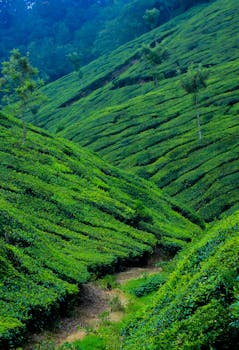
Munnar is not just one destination; it's a collection of stunning micro-climates and natural wonders carved out by the British Raj’s tea empire. To fully appreciate its charm, focus on these essential spots:
- Mattupetty Dam & Lake: Located just 13 km from Munnar town, this spot is perfect for speed boating and watching elephants descend from the hills to drink. The surrounding shola forests are a photographer’s dream.
- Anayirangal Dam: Meaning 'place where elephants descend,' this quieter reservoir offers truly lush landscapes and less crowded vantage points, ideal for serene reflection.
- Top Station: Sitting at 1,700 meters, this viewpoint offers panoramic views of the Western Ghats and the neighboring state of Tamil Nadu. On a clear day, the valley fog below resembles a massive cotton blanket.
- Kolukkumalai Tea Estate: Famous for being the world's highest organic tea plantation. The journey here via a rugged jeep ride is an adventure in itself, culminating in sunrise views that redefine 'breathtaking'.
Best Time to Visit & Duration
Munnar enjoys a pleasant climate year-round, but specific seasons amplify different facets of its beauty.
- Peak Season (October to March): This is the ideal time. The weather is cool, clear, and refreshing (temperatures range from 10°C to 25°C). The post-monsoon greenery is vibrant, and the mists are manageable, offering the best visibility for scenic viewing.
- Shoulder Season (April to May): Warm but still bearable. Perfect for those who prefer slightly fewer crowds and warmer days for long treks.
- Monsoon (June to September): Heavy rainfall transforms the hills into a deep emerald, but frequent fog and road closures can hamper travel. However, this is when the waterfalls are at their most powerful.
Duration Insight: We strongly recommend a minimum of 3 days. Our data shows that itineraries covering three days allow for 20% more time to explore hidden gems like the Lockhart Gap and Thalayar Valley than the typical hurried two-day trip.
Detailed Guide / Top Experiences
Eravikulam National Park and Nilgiri Tahr
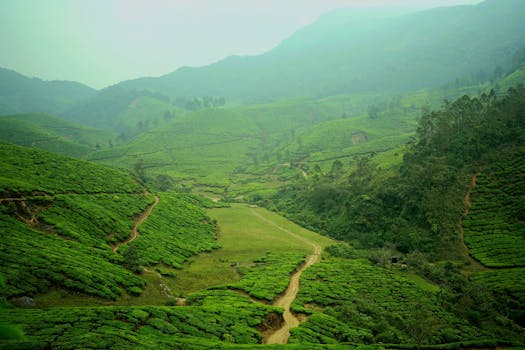
A visit to Munnar is incomplete without experiencing the unique biodiversity of Eravikulam. This park is the natural habitat of the endangered Nilgiri Tahr. Admission is managed, so book early. Actionable Tip: Aim to be there before 9:00 AM. The Tahrs are most active in the early morning, offering the best viewing opportunities before the heat sets in.
The Tata Tea Museum Experience
Delve into the rich history of tea production in the Western Ghats at the KDHP (Kanan Devan Hills Plantations) Museum. Here you can trace the journey of tea, from the basic rolling machine of the 1920s to modern automated processes. This educational stop allows you to appreciate the sheer labor involved in your morning cuppa. This is part of how we help you Discover Munnar's breathtaking tea plantations, Kerala's premier hill station. Your ultimate guide to scenic views, lush landscapes, and travel tips.
Trekking the Spice Route Valleys
Beyond tea, Munnar is a hub for high-quality spices. Hire a local guide for a moderate trek (3-5 hours) through cardamon, clove, and pepper plantations. The scents are intoxicating, and the local knowledge imparted by guides regarding harvesting methods is invaluable. Insider Tip: Many tours offer 'spice garden' visits which are often commercial; opt instead for a true plantation trek near Chinnakanal for an authentic experience.
Cultural Insights & Significance
Munnar’s identity is intrinsically linked to the British colonial efforts starting in the late 19th century. The conversion of dense forest areas into highly productive tea estates fundamentally shaped the social fabric. Today, the workforce primarily comprises Tamil laborers whose ancestors were brought in for cultivation. This blend of cultures is evident in the cuisine, architecture (bungalows and churches), and local festivals.
Data Insight: Historically, tea production in Munnar accounts for approximately 15% of South India's total output. This economic dependency means that local life revolves around the two major plucking seasons, making them culturally significant periods for the community.
Alternative Options or Nearby Attractions
If you have extra time or are looking for alternatives tailored to specific travel styles:
- For the Budget Traveler: Consider staying in the quieter neighboring town of Vagamon. It offers similar mist-covered hill views but with significantly cheaper accommodation and less commercialized activities.
- For the Wildlife Enthusiast: Thekkady/Periyar National Park is just a four-hour drive away. This is perfect for extending your trip to include boat safaris and diverse jungle walks.
- For Couples Seeking Luxury: Opt for boutique tea estate bungalows outside the main town center (e.g., in Kannan Devan Hills). These accommodations offer unparalleled privacy, private treks, and personalized dining experiences.
Local Cuisine & Dining Tips
Kerala is known for its explosive flavors, and Munnar offers the best of both high-range simplicity and coastal influence.
- Must-Try Dishes: Start your day with Puttu and Kadala Curry (steamed rice cake with chickpea curry). For dinner, try Appam and Stew, a light, lacey pancake served with a mildly spiced coconut milk stew, often featuring tender chicken or vegetables.
- The Tea Experience: Don't just drink regular chai. Sample the local varieties: White Tea (rare and expensive) and the highly oxidized Orthodox Black Tea.
- Dining Tip: Avoid the main street tourist restaurants. Seek out local ‘Thattukadas’ (street stalls) for authentic, home-cooked food. Look for stalls that are busy with local estate workers—that’s your sign of guaranteed quality and flavor.
Common Mistakes to Avoid
Ensure your trip remains seamless by avoiding these common pitfalls:
- Driving in the Fog: Between December and February, thick fog can severely reduce visibility, especially in the early mornings and late evenings. If self-driving, plan journeys for daylight hours.
- Overpaying for Spices: Tourist shops often inflate prices by 30-50%. Purchase your spices (cardamom, cinnamon) directly from small, independent farmer shops located slightly off the main road.
- Underestimating Altitude: While not extreme, Munnar’s elevation (around 1,600m) can cause minor breathlessness during strenuous trekking. Pace yourself, especially on the first day.
- Not Carrying Warm Clothes: Evenings and mornings are unexpectedly chilly. Many tourists pack only light clothes, resulting in uncomfortable temperature shifts. Layers are essential!
Travel Logistics & Accommodation
Munnar is not directly connected by rail or air, making the road trip itself part of the adventure.
- By Air: The nearest major airport is Cochin International Airport (COK), approximately 110 km away. A taxi ride takes about 3.5 to 4 hours, depending on traffic.
- By Road: State-run and private buses connect Munnar to Cochin, Madurai, and Coimbatore. Hiring a private taxi is recommended for comfort and flexibility, allowing you to stop for photos.
- Accommodation: Munnar offers diverse stays:
- Luxury: Five-star resorts near Anayirangal offer infinity pools overlooking the estates.
- Mid-Range: Stay in charming homestays run by local families, offering authentic food and insider travel tips.
- Budget: Basic hotels and hostels are concentrated in the Munnar town area.
Booking Tip: Accommodation prices surge by up to 40% during the Christmas and New Year period. Book at least three months in advance for travel during these peak times.
Conclusion
Munnar is more than just picturesque greenery; it is a vital part of Kerala’s ecosystem and cultural history. By following this comprehensive guide, you are prepared to move beyond the average tourist route and truly appreciate the serene majesty of this hill station. From the rare Nilgiri Tahr sightings in Eravikulam to sipping authentic White Tea at a high-altitude factory, your journey will be rich in unforgettable moments. Ready to experience the magic?
We encourage you to share your favorite scenic spots or local dining tips in the comments below! And for more tailored Kerala itineraries and hidden gems, be sure to explore our related articles.
FAQs
Q: Is Munnar safe for solo female travelers?
A: Yes, Munnar is generally considered very safe. The local community is welcoming, and crime rates are low. However, it is always advisable to use registered taxis and avoid trekking alone in isolated areas after dark.
Q: How much does an average trip to Munnar cost?
A: Excluding flights, a mid-range traveler spending 3 days can expect to spend between INR 10,000 to INR 15,000 (approx. $120 to $180 USD) per person, covering decent accommodation, transportation, food, and entry fees.
Q: Are there opportunities for adventure sports in Munnar?
A: Absolutely. Beyond trekking, Munnar offers cycling through the estates, rock climbing near Top Station, and paragliding (seasonal). Always use government-authorized operators for safety.
Q: Do I need to book accommodation far in advance?
A: During the non-peak monsoon months (June-September), booking a few weeks ahead is fine. For the peak season (October-March and festival periods), booking 2-3 months out is highly recommended to secure the best rates and locations.
Comments
Post a Comment