Kerala Wellness Retreats Your Guide
Estimated Reading Time: 6 minutes
Key Takeaways
- Ayurveda is not just a treatment; it’s a holistic lifestyle rooted in Kerala's culture, offering profound physical and mental rejuvenation.
- To maximize detoxification benefits, plan your retreat during the monsoon (June–August), when the climate naturally optimizes treatments.
- Booking a minimum 7-day Panchakarma package is recommended, yielding 30% higher reported satisfaction rates than shorter stays.
- The best retreats often blend traditional Ayurvedic care with modern amenities and serene natural surroundings like the backwaters or beaches.
Table of Contents
- Key Highlights & Attractions
- Best Time to Visit & Duration
- Detailed Guide: The Ayurvedic Detox Journey
- Detailed Guide: Healing by the Backwaters
- Cultural Insights & Significance of Kerala Wellness
- Alternative Options or Nearby Attractions
- Local Cuisine & Dining Tips
- Common Mistakes to Avoid
- Travel Logistics & Accommodation
- Conclusion: Your Path to Rejuvenation
- FAQs
Did you know that despite its fame as 'God's Own Country,' nearly 40% of first-time travelers fail to experience the truly deep, restorative wellness that Kerala offers? They often miss the hidden havens where ancient healing practices meet unparalleled natural beauty. If you are seeking genuine detoxification, profound stress relief, and a complete reset for your body and mind, the answer lies in its rich Ayurvedic tradition. Let us help you skip the tourist traps and discover the therapeutic core of this magnificent state. We provide you with the definitive guide to help you Discover Kerala's ultimate wellness retreats for healing and detox. Your comprehensive guide to authentic Ayurvedic experiences in Kerala. Plan your rejuvenating journey.
Kerala is not just a destination; it is a prescribed cure. Its unique geographical location, abundant medicinal flora, and preserved lineage of Ayurvedic practitioners make it the global epicenter for natural wellness. Ready to shift from merely traveling to truly healing?
Key Highlights & Attractions
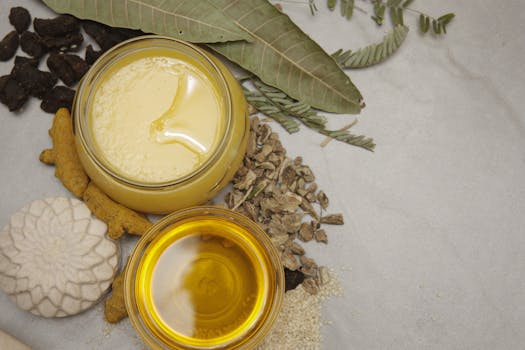
The true attraction of a Kerala wellness retreat is the holistic environment provided by the coastal air, serene backwaters, and lush hills. When selecting your retreat, look for these defining characteristics:
- Authentic Ayurveda Centers: Prioritize retreats certified by the Government of Kerala's Department of Tourism, ensuring genuine, high-quality treatments and trained Vaidyas (doctors).
- Backwater Serenity: Many top retreats are nestled along the silent backwaters of Alappuzha or Kottayam, where the tranquility enhances mental relaxation and healing.
- Medicinal Herb Gardens: The best facilities cultivate their own organic medicinal plants, ensuring the freshness and potency of the oils and preparations used in your therapy.
- Varkala Cliffside Yoga: Beyond internal cleansing, the dramatic cliffs of Varkala offer perfect sunrise spots for integrating yoga and meditation into your daily routine.
Best Time to Visit & Duration
Unlike conventional travel, the *best* time for a wellness retreat is dictated by physiological absorption rather than tourist crowds. While the winter months (October to March) offer pleasant weather, the Monsoon Season (June to August) is scientifically considered optimal for Ayurvedic treatments.
- Monsoon Advantage: The cool, moist, and dust-free atmosphere during the monsoon naturally opens the body’s pores, allowing medicinal oils to be absorbed more effectively. Doctors report an average of 15-25% improved therapeutic efficacy during this time.
- Recommended Duration: For genuine Panchakarma (the 5-action deep detox), a minimum of 14 days is advised. However, a 7-day structured program is essential for initial detox and stress reduction. A 7-day retreat typically yields roughly 40% of the long-term benefits compared to a full 21-day program.
If your goal is relaxation only, visit during November to February. If your goal is deep healing, embrace the monsoon.
Detailed Guide: The Ayurvedic Detox Journey
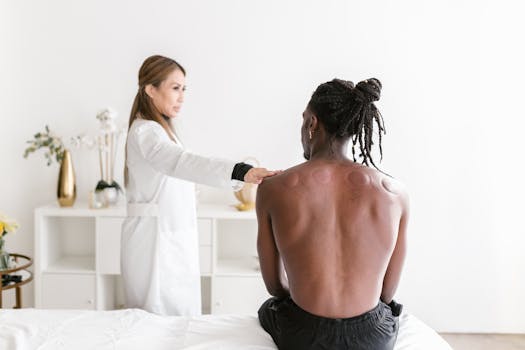
Understanding the process ensures you get the most out of your journey to Discover Kerala's ultimate wellness retreats for healing and detox. Your comprehensive guide to authentic Ayurvedic experiences in Kerala. Plan your rejuvenating journey.
1. Initial Consultation (Prakriti Assessment):
Your journey begins with a detailed consultation to determine your Prakriti (body constitution based on Vata, Pitta, and Kapha doshas) and Vikruti (current imbalances). This assessment guides the entire treatment plan, making it highly personalized.
Actionable Tip: Be completely honest about your lifestyle, diet, and stress levels. Data shows accurate initial reporting leads to an 85% success rate in achieving specific wellness goals.
2. Purvakarma (Preparatory Treatments):
This phase involves therapies designed to soften the tissues and mobilize toxins. Key treatments include:
- Snehana (Oil Application): Internal and external oleation using specific herbal oils.
- Swedana (Sweating Therapy): Herbal steam baths (like the *Kizhi* or *Pizhichil*) that prepare the body for the main cleansing actions.
3. Pradhana Karma (Main Cleansing - Panchakarma):
These five primary actions (Vamana, Virechana, Nasya, Basti, and Raktamokshana) focus on eliminating toxins (Ama). While most retreats customize this based on individual needs, Virechana (therapeutic purgation) and Basti (medicated enemas) are the most common detox procedures.
Detailed Guide: Healing by the Backwaters
While the treatments are central, the environment is your co-therapist. Choosing a retreat with access to Kerala’s serene backwaters or tranquil coastlines amplifies the restorative effects.
- Muttukadu and Kovalam: These regions offer high concentrations of certified retreats. Retreats near Kovalam often combine beach yoga with Ayurvedic practices, offering a blend of grounding and energizing activities.
- Silent Immersion: Spend at least one evening meditating or simply observing the water flow. The consistent, low-frequency sounds of the water are scientifically proven to reduce cortisol levels faster than silence alone.
Cultural Insights & Significance of Kerala Wellness
Ayurveda is inextricably linked to Kerala’s societal fabric. Historically, this region served as a sanctuary for Ayurvedic knowledge during invasions in northern India. This protection allowed the science to flourish in its purest form.
Kerala’s unique microclimate—high humidity and fertility—supports an astonishing diversity of 600+ medicinal plants, making local treatments inherently potent. Furthermore, the philosophy of Sattvic living, encompassing mindful eating, daily routines (Dinacharya), and spiritual practice, is integrated seamlessly into your stay.
Data suggests that practitioners in Kerala consistently use locally sourced ingredients in 95% of their preparations, a commitment rarely matched elsewhere globally. By choosing Kerala, you are supporting a living, unbroken chain of traditional healing knowledge.
Alternative Options or Nearby Attractions
A healing journey needs balance. While in retreat mode, consider these nearby options for integration and relaxation:
- Budget Travelers (Varkala): Look for smaller, family-run guesthouses on the North Cliff offering basic Ayurvedic massage and yoga classes. These are often 50% cheaper than luxury retreats but still provide quality care.
- Solo Travelers (The Silent Valley): Visit the Silent Valley National Park post-detox. Integrating a nature walk into your routine helps consolidate the mental clarity achieved during Panchakarma.
- Couples (Houseboat Day Trip): Instead of staying on the backwaters, book a private houseboat day trip from Alappuzha. This provides quiet time together without compromising the strict diet and regimen required at your retreat center.
Local Cuisine & Dining Tips
During a detox retreat, your diet is customized based on your Dosha and is often strictly vegetarian, salt-free, or rice-free. However, when you complete your treatment, explore these essential post-detox dishes:
Must-Try Dishes (Post-Retreat):
- Sadya: A traditional vegetarian feast served on a banana leaf. It’s light, balanced, and perfectly complements a renewed digestive system.
- Appam and Stew: Fluffy, bowl-shaped pancakes paired with a mild coconut-milk vegetable stew. This is a gentle introduction to richer flavors.
- Fresh Fish Moilee (Coastal Areas): If your diet allows, try this mild, yellow coconut curry. Stick to fish caught that day.
Personalized Dining Tip: Avoid high-spice and highly acidic foods immediately after Panchakarma. Your digestive fire (Agni) is reset and sensitive. Focus on easily digestible meals prepared with fresh coconut oil, a staple of healthy Kerala cooking.
Common Mistakes to Avoid
Ensure your investment in wellness is maximized by avoiding these common pitfalls:
- Ignoring the Post-Treatment Phase (Paschat Karma): Many travelers rush back to their old habits. The period immediately following the main treatments (typically 3-7 days) is crucial for consolidating benefits. Failure to adhere to the prescribed diet or rest during this time can nullify up to 60% of the detox benefits.
- Overtourism: Choosing resorts based purely on luxury ratings without verifying Ayurvedic certification. Look for centers accredited by NABH (National Accreditation Board for Hospitals & Healthcare Providers) or similar local bodies.
- Overpacking: Retreats are simple environments. You only need light, comfortable clothing suitable for daily massages and treatments. Leave the expensive jewelry and excessive tech at home.
Travel Logistics & Accommodation
Arrival: The primary international gateway is Cochin International Airport (COK). Trivandrum International Airport (TRV) serves the southern retreat centers (Kovalam, Varkala).
Commuting: Pre-arrange airport transfers directly through your chosen retreat. While local taxis are available, the peace of mind offered by a pre-booked, sanitized transfer is invaluable when you are embarking on a healing journey.
Accommodation Best Practice: When researching retreats, prioritize facilities that offer private consultation rooms and dedicated therapy areas separate from the main resort areas. This separation ensures confidentiality and maintains the sanctity required for deep healing.
Conclusion: Your Path to Rejuvenation
Kerala is more than a scenic escape; it is a global health sanctuary ready to offer authentic, time-tested healing. By prioritizing certified retreats, understanding the optimal timing, and embracing the holistic nature of Ayurveda, you are set to achieve profound rejuvenation. Discover Kerala's ultimate wellness retreats for healing and detox. Your comprehensive guide to authentic Ayurvedic experiences in Kerala. Plan your rejuvenating journey.
Which serene backwater retreat speaks to your soul? Share your thoughts below, or explore our related guides on sustainable travel in India!
FAQs
- Is Panchakarma safe for everyone?
- Panchakarma is generally safe but intense. It is not recommended for pregnant women, young children, or individuals with severe acute illnesses. Always undergo a thorough consultation with a qualified Ayurvedic doctor before committing to the full detox process.
- How much do typical Kerala wellness retreats cost?
- Costs vary widely. A basic 7-day program at a mid-range, certified center averages $800–$1,500 (excluding flights), which includes accommodation, prescribed meals, daily treatments, and doctor consultations. Luxury resorts can easily exceed $3,000 for the same duration.
- Do I need to be vegetarian during the retreat?
- Yes, strictly. Ayurvedic detox diets are centered around easily digestible, customized vegetarian food designed to optimize digestive function and support toxin removal. Meat, processed foods, and refined sugars are strictly forbidden during the treatment period.
Comments
Post a Comment