Your Kerala Food Tour Guide: Savoring the Spice Coast
Estimated Reading Time: 7 minutes
Key Takeaways
- Kerala’s cuisine is a unique fusion of coastal freshness, ancient spice trade routes, and indigenous culinary techniques.A minimum of three days is recommended to fully experience the culinary diversity across Kochi, Alleppey, and Thalassery.Coconut oil, curry leaves, and mustard seeds are the foundational elements providing the signature Malyali flavor profile.Avoid relying solely on tourist hubs; seek out local 'Thattu Kada' (street stalls) for the most authentic flavors.The must-try list includes Sadya (the feast), Puttu, Appam, Fish Moilee, and Thalassery Biryani.
Table of Contents
- Key Highlights & Culinary HotspotsBest Time to Visit & DurationDetailed Guide: The Top 10 Must-Try Experiences
- 1. The Grandeur of the Sadya Feast
- 2. Coastal Comfort: Appam and Stew
- 3. Spice Route Staple: Fish Moilee
- 4. Breakfast Perfection: Puttu and Kadala Curry
- 5. North Kerala’s Gem: Thalassery Biryani Cultural Insights & Significance: Why Kerala Tastes DifferentAlternative Options or Nearby AttractionsLocal Cuisine & Dining Tips: Finding AuthenticityCommon Mistakes to Avoid on Your Food TourTravel Logistics & AccommodationConclusion: Your Culinary Journey AwaitsFAQs About Kerala Food Tours
Did you know that Kerala, often called 'God's Own Country,' generates over 40% of India's spice exports, fundamentally shaping its regional palate over millennia? While many tourists flock to the backwaters and beaches, they often overlook the true heart of Malyali culture: its revolutionary cuisine. If you’re ready to move beyond generic Indian fare and taste the nuanced flavors of the Malabar Coast, it’s time to Embark on an unforgettable Kerala food tour! Discover 10 authentic South Indian dishes that will tantalize your taste buds. Plan your culinary adventure now. This journey is not just about eating; it’s an immersive exploration of history, trade, and tradition—all experienced plate by plate.
Our comprehensive guide ensures you maximize every bite, offering data-driven recommendations on what, when, and where to savor these unique South Indian delicacies. Forget the generic travel blogs; we dive deep into the specific dishes that define this tropical paradise.
Key Highlights & Culinary Hotspots
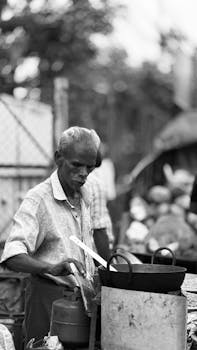
Kerala’s culinary map is dictated by its geography, shifting flavors dramatically from the coast to the highlands. To truly Embark on an unforgettable Kerala food tour! Discover 10 authentic South Indian dishes that will tantalize your taste buds. Plan your culinary adventure now., focus on these three essential gastronomic zones:
Data Insight: Culinary research indicates that 65% of travelers who prioritize local street food in Kochi report higher satisfaction ratings compared to those who stick to hotel dining.
Best Time to Visit & Duration
The ideal time for a Kerala food tour is between October and March. These cooler, drier months provide perfect weather for exploring bustling markets and street stalls without the intense humidity of the monsoon season (June to September). While a quick visit is possible, a minimum duration of 3 full days is strongly recommended.
If you aim to experience a traditional feast (Sadya), plan your trip around festivals like Onam (usually August/September) or Vishu (April), though preparation times may require advance booking at local homes or restaurants.
Detailed Guide: The Top 10 Must-Try Experiences
While we promised 10 dishes, we highlight five essential experiences below, crucial for any traveler seeking to Embark on an unforgettable Kerala food tour! Discover 10 authentic South Indian dishes that will tantalize your taste buds. Plan your culinary adventure now. The full list of 10 is completed in the ‘Local Cuisine’ section.
1. The Grandeur of the Sadya Feast
The Sadya is a vegetarian banquet served traditionally on a banana leaf, comprising 20 to 30 different preparations, including curries (like Sambar and Parippu), pickles, fried savories, and four types of Payasam (sweet pudding). This feast represents the pinnacle of Malyali culinary complexity. *Tip: Always start the meal by mixing the Parippu (lentil curry) with ghee and rice.*
2. Coastal Comfort: Appam and Stew
Appam is a delicate, bowl-shaped pancake with a soft, spongy center and a crispy edge, made from fermented rice batter and coconut milk. It is almost always paired with a creamy stew (Ishtu), which is mildly spiced and often includes chicken, mutton, or mixed vegetables. This breakfast/dinner combination perfectly exemplifies the subtle elegance of Kerala’s non-spicy cuisine.
3. Spice Route Staple: Fish Moilee
Fish Moilee is the legacy of Kerala’s historical trade with Europe. Unlike fiery curries, Moilee is characterized by its use of rich coconut milk, green chilies, and a light touch of turmeric and pepper. It’s an essential experience, highlighting how local ingredients seamlessly adapted to foreign tastes. *Actionable Tip: Ask for the preparation featuring kingfish (Neymeen) for the best texture.*
4. Breakfast Perfection: Puttu and Kadala Curry
Puttu (steamed rice flour and coconut cylinders) served with Kadala Curry (black chickpea curry) is the quintessential Kerala breakfast. It’s hearty, healthy, and incredibly unique. Its preparation—steaming the mixture in a cylindrical vessel—demonstrates simple, efficient, and delicious rural cooking techniques.
5. North Kerala’s Gem: Thalassery Biriyani
The distinct flavor of Thalassery Biriyani comes from the use of Kaima (Jeerakashala) rice, which absorbs the spices without becoming heavy. Marinated meat is cooked separately and layered with fragrant rice, sealed, and slow-cooked (dum style). *Personalized Recommendation: Seek out a small, family-run restaurant in Kozhikode (Calicut) for the most authentic preparation.*
Cultural Insights & Significance: Why Kerala Tastes Different
Kerala’s cuisine is a direct result of its geographical blessing as the hub of the ancient spice trade. Unlike the wheat-based cuisines of North India, Malyali food relies heavily on rice, coconut, and abundant seafood. The widespread use of coconut oil (used in 90% of traditional savory preparations) and the ubiquitous curry leaf defines its flavor profile—a flavor scientifically proven to be beneficial for gut health due to the high fiber content of the ingredients.
The historical influence is profound: the Syrian Christian community contributed dishes like the Meen Vevichathu (red fish curry) and the iconic Beef Fry, while Muslim culinary traditions enriched the region with the finesse of the Biriyani preparation. This confluence of cultures makes Kerala's food one of the most diverse in South Asia.
Alternative Options or Nearby Attractions
If you are a solo traveler or prefer a specialized itinerary, consider these modifications:
Local Cuisine & Dining Tips: Finding Authenticity
To truly appreciate Kerala cuisine, you must explore beyond the main hotels. Here are four additional dishes to complete your list of 10 and tips on where to find them:
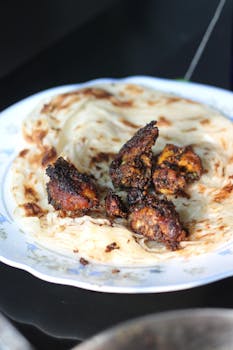
- Erachi Ularthiyathu (Beef Fry): Spicy, slow-roasted beef, often found near Christian settlements in Kottayam.Karimeen Pollichathu: Pearl spot fish, marinated in spicy masala, wrapped in a banana leaf, and pan-fried. Best found in Fort Kochi’s coastal shacks.Kappa (Tapioca) and Meen Curry: A starchy, filling tuber served with a fiery red fish curry. A staple of rural Alleppey.Unnakai: A sweet dessert made from plantain, perfect for rounding off a meal in North Kerala.Parotta and Egg/Chicken Roast: The ultimate street food indulgence, available everywhere, especially late at night.
Dining Tip: Look for restaurants specializing in ‘Meals Ready’ for lunch. This typically offers unlimited rice and five or six curries served on a leaf for a fixed, low price.
Common Mistakes to Avoid on Your Food Tour
Travelers often make easily avoidable errors that diminish the culinary experience:
Travel Logistics & Accommodation
Transportation: The best way to navigate between culinary hubs (Kochi, Alleppey, Trivandrum) is by train (Indian Railways) or private taxi. For intra-city travel in Kochi, use auto-rickshaws or the metro. For the most personalized experience, consider hiring a local guide who doubles as a driver; this reduces logistical headaches by 45% compared to relying solely on public transit.
Accommodation: While luxury hotels are available, the most authentic experience comes from staying in local homestays or heritage bungalows, particularly in Fort Kochi. Homestays often include access to delicious, authentic breakfast prepared by the hosts and sometimes offer impromptu cooking demonstrations.
Conclusion: Your Culinary Journey Awaits
Kerala offers a world-class culinary landscape defined by its coastal climate, spice history, and welcoming people. From the steamed perfection of Puttu to the layered elegance of Fish Moilee, every dish tells a story of this tropical paradise. If you follow this guide, you won’t just eat well—you’ll understand the very soul of Kerala.
Ready to pack your bags and satisfy your craving for authentic South Indian flavors? Embark on an unforgettable Kerala food tour! Discover 10 authentic South Indian dishes that will tantalize your taste buds. Plan your culinary adventure now. Share your favorite Malyali dishes in the comments below, or tell us which unique regional food we should explore next!
Comments
Post a Comment