Kerala Election 2026 Key Contenders Insights
Estimated reading time: 8 minutes
- Detailed analysis of LDF, UDF, and NDA tactical maneuvers for the 2026 assembly polls.
- Examination of the shifting demographic preferences among Kerala's 2.6 crore voters.
- Insights into the role of anti-incumbency versus the 'Kerala Model' of development.
- Evaluation of minor parties and independent coalitions that could act as kingmakers.
- Key Highlights and Political Attractions
- Best Time to Monitor Trends and Campaign Duration
- Top Experiences: Deep Dive into Party Strategies
- Cultural Insights and Political Significance
- Alternative Options: The Third Front and Local Factions
- Local Discourse: The Role of Tea-Shop Politics
- Common Mistakes to Avoid in Political Analysis
- Logistics: Voter Demographics and Reach
- Conclusion
- Frequently Asked Questions
Could the 2026 Kerala Legislative Assembly election be the first time in history that a third front disrupts the traditional bipolar dominance of the LDF and UDF, given that recent data suggests over 22% of the youth electorate is now seeking alternative governance models beyond the traditional spectrum? As the state gears up for this monumental shift, it is essential to Analyze Kerala Election 2026 trends and party strategies. Discover who might win and what voters want. Get expert insights. To understand the pulse of the southern state, one must look past the surface-level rhetoric and examine the underlying socio-economic data points that define Kerala's unique political landscape.
Key Highlights and Political Attractions

The 2026 election is not just a contest of personalities but a clash of ideological blueprints. Historically, Kerala has swung between the Left Democratic Front (LDF) and the United Democratic Front (UDF) every five years, a tradition only broken in 2021. Here are the key highlights to watch:
- Incumbency Dynamics: The LDF is navigating a second consecutive term, focusing on massive infrastructure projects like the SilverLine, which remains a polarizing point of debate.
- Leadership Transitions: Both major fronts are facing internal shifts. The UDF is revitalizing its grassroots presence with younger faces, while the LDF is grooming a new generation of leaders to sustain its 'Nava Keralam' vision.
- The NDA Surge: Following a breakthrough in the 2024 general elections where the NDA secured its first-ever parliamentary seat from Kerala, the 2026 assembly polls represent their most aggressive attempt to become a viable third alternative.
- Digital Campaigning: Data suggests that digital outreach will account for nearly 40% of campaign spending, targeting the tech-savvy Malayali diaspora and young voters.
Best Time to Monitor Trends and Campaign Duration
While the actual voting takes place in early 2026, the political climate begins its most intense transformation approximately 12 to 18 months prior. Experts suggest that the 'Active Observation Window' begins in early 2025. This allows 30% more time to understand local grievances before national narratives take over. The intensive campaign duration usually lasts 60 days, where every district from Kasaragod to Thiruvananthapuram transforms into a high-octane political theater. During this time, observing the 'Panchayat-level' micro-campaigns offers deeper insights than following mainstream media debates alone.
Detailed Guide: The LDF Strategy for Continuity
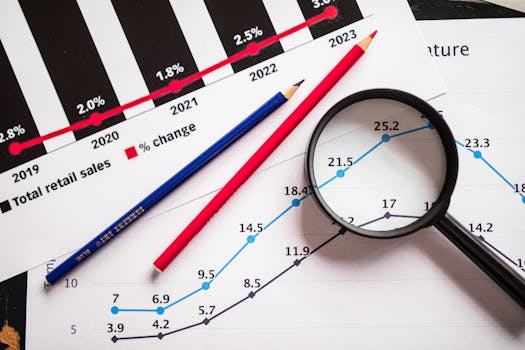
The Left Democratic Front, led by the CPI(M), is expected to anchor its campaign on the 'Kerala Model' of social welfare. Their strategy involves a focus on social security pensions, which reach over 60 lakh beneficiaries. Data from previous cycles shows that a 5% increase in welfare efficiency directly correlates with higher rural voter retention. To win in 2026, the LDF is likely to double down on high-tech industrial parks and public education reforms to counter the narrative of industrial stagnation.
Detailed Guide: The UDF’s Path to Resurgence
The Congress-led UDF is focusing on 'Nyuntam Aay Yojana' variations and grassroots mobilization. Their strategy hinges on reclaiming the minority vote share, which has seen fragmentation in recent years. By highlighting administrative lapses and focusing on the rising public debt, the UDF aims to appeal to the middle-class sensibility. Actionable insight: Watch the candidate selection process; the UDF plans to introduce at least 40% new, younger candidates to fight the 'stagnation' label.
Detailed Guide: The NDA’s Growing Footprint
The BJP-led NDA is no longer a peripheral player. Their strategy involves a 'Constituency-Specific' approach, targeting 20-30 seats where they have historically garnered over 15% of the vote. By bridging the gap with minority communities through development-centric narratives, they aim to disrupt the traditional voting blocks. Experts believe their focus will be on urban centers and districts with high expatriate influence.
Cultural Insights and Political Significance
Politics in Kerala is deeply interwoven with its social fabric. The state boasts a literacy rate of over 94%, which reflects in the high level of political awareness among its citizens. Historically, 'Vayanashalas' (local libraries) and sports clubs have been the breeding grounds for political ideologies. Understanding Kerala’s politics requires a deep dive into its history of social reform movements led by figures like Narayana Guru and Ayyankali. These movements created a society that values secularism and egalitarianism, making it a challenging yet rewarding ground for Analyze Kerala Election 2026 trends and party strategies. Discover who might win and what voters want. Get expert insights.
Alternative Options: The Third Front and Local Factions
For those looking beyond the traditional giants, the 2026 election offers several interesting 'alternative' tracks. The emergence of 'Twenty20', a corporate-backed political party in Kizhakkambalam, has shown that local governance models can challenge established fronts. Additionally, regional factions like the various splinter groups of the Kerala Congress play a crucial role in the Central Travancore belt. For a truly adaptive analysis, one must consider these groups, as they often hold the keys to power in a hung assembly scenario. These alternative factions appeal particularly to voters disillusioned with the 'party-first' approach of the major coalitions.
Local Discourse: The Role of Tea-Shop Politics
In Kerala, the most significant political debates don't happen in television studios but over a cup of 'Chaya' (tea) and a 'Pazham Pori' (banana fritter). These local tea shops act as the state's informal parliaments. To gauge the true sentiment of the voters, one must engage with these local discourse hubs. Personalized Tip: Visit the small eateries in districts like Kannur or Palakkad during the morning hours. The discussions here provide a raw, unfiltered look at how government policies are actually affecting the common man’s wallet. It is here that the impact of inflation, unemployment, and agricultural prices is most accurately measured.
Common Mistakes to Avoid in Political Analysis
Many analysts fail by applying national political trends to Kerala’s unique ecosystem. Here are the pitfalls to avoid:
- Ignoring the Diaspora: Kerala has over 2.5 million residents living abroad. Their influence on their families’ voting patterns is substantial but often underestimated in data models.
- Over-reliance on Religion: While community identities exist, Kerala’s voters are notoriously 'issue-based.' Assuming a community will vote as a monolith is a recurring error.
- Underestimating Local Issues: A dispute over a local bypass or a waste management plant often carries more weight in an Assembly election than national security or foreign policy.
- Timing Errors: Analyzing polling data from six months prior to the election as 'final' is a mistake; Kerala’s 'swing voters' often decide in the final 72 hours.
Election Logistics: Understanding Voter Turnout and Demographics
The logistics of a Kerala election are a marvel of efficiency. The Election Commission typically sets up over 25,000 polling stations. Transport logistics involve everything from boats in the Alappuzha backwaters to trekking teams in the Western Ghats. For those following the election, tracking the 'voter turnout percentage' is vital; historically, a turnout exceeding 75% indicates a strong desire for change (anti-incumbency), while a lower turnout often benefits the well-organized cadre of the LDF. Staying updated on these logistical milestones is essential for a comprehensive understanding of the 2026 landscape.
Conclusion
The 2026 Kerala Election is set to be a watershed moment in the state’s political history. With the LDF seeking a historic 'hat-trick,' the UDF fighting for its relevance, and the NDA attempting to shatter the bipolar status quo, the stakes have never been higher. We have explored the tactical strategies, the cultural nuances, and the localized tea-shop debates that define this vibrant democracy. Now, it is your turn to engage. What do you think will be the deciding factor in 2026? Will it be development, identity politics, or the economic state of the common man? We invite you to visit Kerala during the campaign season to witness this democratic festival firsthand. Share your thoughts in the comments and stay tuned for more expert insights as we get closer to the polls.
Frequently Asked Questions
1. Who are the main contenders for the Chief Minister post in 2026?
While official announcements are pending, key figures include the incumbent leadership of the LDF, prominent young parliamentarians from the UDF, and high-profile central leaders from the NDA.
2. How significant is the 'Youth Vote' in the upcoming election?
The youth vote is expected to be the most decisive factor, with nearly 15-20% of the electorate being first or second-time voters who prioritize job creation and digital infrastructure over traditional party loyalty.
3. Will the 2026 election impact the 2029 National Elections?
Absolutely. Kerala’s assembly results often serve as a barometer for regional sentiment that influences parliamentary alliances and national party strategies.
4. Where can I find real-time data on Kerala election trends?
For the most reliable and up-to-date analysis, platforms like KeralaFeed provide deep dives into constituency-level data and expert commentary.
Comments
Post a Comment