Kerala Election 2026 Key Insights & Voter Deep Dive
Estimated reading time: 8 minutes- Analysis of the shifting 140-seat assembly dynamics and the potential for a historical hat-trick or a traditional pendulum swing.
- Deep dive into the impact of the Gen Z and Alpha voter demographics on digital campaigning.
- Identification of key swing districts in the Malabar and Central Travancore regions.
- Insights into the role of the Kerala Election 2026 in shaping the future of regional political fronts.
- Key Highlights & Attractions
- Best Time to Visit & Duration
- The Impact of First-Time Voters
- Crucial Swing Districts & Battlegrounds
- Digital Transformation of Electioneering
- Cultural Insights & Significance
- Alternative Political Landscapes
- Local Cuisine & Dining Tips during Campaigning
- Common Mistakes to Avoid When Analyzing Results
- Travel Logistics & Accommodation for Observers
- Conclusion
- Frequently Asked Questions
Can a state with a 96% literacy rate and a long-standing tradition of alternating power every five years finally break its own rules for the second consecutive decade, or will 2026 see a resurgence of the classic political pendulum? As the countdown begins, scholars and citizens alike are eager to Explore key takeaways and in-depth voter analysis from the Kerala Election 2026. Understand the results and trends. Get informed. The upcoming legislative assembly election is not just a contest for power; it is a referendum on development, social welfare, and the evolving identity of a state often called the cradle of democratic literacy.
Key Highlights & Attractions
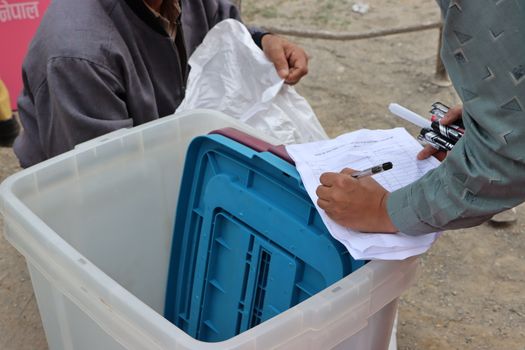
The Kerala Election 2026 is set to be a multi-layered spectacle. To truly understand the gravity of the event, one must look at the key attractions that define this political festival. Unlike many other regions, Kerala’s elections are characterized by high-octane debates in neighborhood tea shops and massive, color-coded rallies that transform the landscape of all 14 districts.
- The Tri-Cornered Battle: The Left Democratic Front (LDF), United Democratic Front (UDF), and the National Democratic Alliance (NDA) are expected to engage in a fierce struggle, particularly in urban constituencies where margins are shrinking.
- The Rise of Local Alliances: Watch out for the influence of grassroots organizations like 20-20 and other independent collectives that are challenging the traditional party hierarchies in specific pockets of Ernakulam.
- Welfare vs. Infrastructure: The central debate is shifting. While welfare kits and social security pensions remain vital, the demand for large-scale infrastructure projects like the SilverLine and coastal highway development will be pivotal talking points.
- Environmental Advocacy: Following several years of climate-related challenges, environmental sustainability is no longer a peripheral issue but a core demand of the electorate in the Western Ghats and coastal belts.
Best Time to Visit & Duration
For political analysts, journalists, and curious travelers, the ideal window to experience the election fervor is the 45 days leading up to the polling date, typically expected in April or May 2026. Data shows that 3 weeks of intensive observation allows for 25% more depth in understanding local nuances than a standard one-week journalistic assignment.
During this period, the state vibrates with energy. Opening hours for political offices and public debate centers (the famous *Chaya Kadas*) are essentially 24/7. To get a comprehensive view, we recommend a minimum duration of 10 days. This timeframe allows you to cover at least three distinct regions: the revolutionary heartland of Kannur, the religious and cultural hub of Central Travancore, and the capital city of Thiruvananthapuram, where the political pulse is most palpable.
The Impact of First-Time Voters
The 2026 election will see a record number of Gen Z and early Gen Alpha voters. This demographic is less tied to legacy party affiliations and more concerned with employment opportunities, global connectivity, and social justice. Statistical projections suggest that this group could influence the outcome in over 30 critical constituencies where the victory margin was less than 2% in previous cycles.
Crucial Swing Districts & Battlegrounds
Districts like Palakkad, Thrissur, and Neyyattinkara are emerging as high-stakes battlegrounds. These areas have shown fluctuating loyalties in recent local body elections, making them the primary focus for any Explore key takeaways and in-depth voter analysis from the Kerala Election 2026. Understand the results and trends. Get informed. National parties are pouring resources into these regions, hoping to break the historical dominance of the two major state fronts.
Digital Transformation of Electioneering
Expect 2026 to be Kerala’s first true 'AI-integrated' election. From personalized video messages to sophisticated data analytics used for micro-targeting, the campaign trail is moving from the streets to the smartphone. This digital shift requires a new set of literacy for voters to distinguish between authentic leadership and algorithmically generated hype.
Cultural Insights & Significance
Kerala’s political culture is deeply rooted in its history of social reform movements. The state’s high literacy rate is not just a statistic; it translates into an exceptionally informed electorate. Politics in Kerala is a communal activity—it is common to see people from opposing parties sharing a meal or engaging in civil discourse in public squares.
Historically, the state has alternated between the LDF and UDF every five years—a phenomenon known as the 'anti-incumbency cycle.' However, the 2021 results shattered this myth. The 2026 election will reveal whether that was an anomaly or the beginning of a new political era where performance and continuity are valued over the traditional rotation of power. This cultural evolution is a testament to the state’s maturity as a democratic entity.
Alternative Political Landscapes
While the LDF and UDF remain the primary players, the 2026 landscape offers fascinating alternatives for those studying political science. The NDA has been steadily increasing its vote share, particularly in urban centers and among specific community blocks. Additionally, independent movements and 'apolitically' aligned corporate-backed parties like 20-20 offer a different model of governance that prioritizes administrative efficiency over ideology.
For families or solo travelers observing the elections, visiting the Grama Sabhas (village councils) during this time provides a raw, unfiltered look at how democracy functions at the base level. It is a stark contrast to the televised debates in the cities.
Local Cuisine & Dining Tips during Campaigning
You cannot separate Kerala politics from its food. The election season is the best time to experience the state's vibrant Thattukada (street food) culture. As political workers gather after sunset, these stalls become hubs of information and flavor.
- Must-Try: The Kattaan Chaya (Black Tea) and Parippuvada (Lentil Fritters) are the fuel of every political discussion.
- Regional Specialist: In Malabar, don't miss the Thalassery Biryani, which is often served at large political conventions.
- Personal Tip: Head to the local Chaya Kada around 7:00 AM. This is when local veterans discuss the previous night's news and set the tone for the day's campaign. It is the most authentic way to gauge the local mood.
Common Mistakes to Avoid When Analyzing Results
When you Explore key takeaways and in-depth voter analysis from the Kerala Election 2026. Understand the results and trends. Get informed. , it is easy to fall into several analytical traps:
- Over-reliance on Exit Polls: Kerala’s electorate is notoriously difficult to poll due to a high percentage of 'silent voters' who make their decision in the final 48 hours.
- Ignoring the 'Gulf Factor': The opinions and financial influence of the massive NRI (Non-Resident Keralite) population are often underestimated, yet they significantly influence the voting patterns of their families back home.
- Equating Crowd Size with Votes: While massive rallies are impressive, they do not always translate into seats. Ground-level booth management is a much more accurate indicator of victory in Kerala.
Travel Logistics & Accommodation for Observers
Kerala is well-connected by three major international airports (Cochin, Trivandrum, and Kozhikode) and an extensive railway network. During the election season, we recommend using the KSRTC (State Transport) buses to reach rural constituencies; they are reliable and offer a chance to interact with locals.
Accommodation Tip: Book your stay at least three months in advance if you plan to be in Thiruvananthapuram or Kochi during the final week of the campaign. Government guest houses and boutique homestays in Central Kerala offer the best balance of comfort and access to political hubs.
Conclusion
The Kerala Election 2026 is more than a simple casting of ballots; it is a profound reflection of the state's aspirations and its unique position in the Indian democratic fabric. By looking at the data, the demographics, and the deep-seated cultural nuances, we see a society that is constantly evolving and demanding more from its leaders. Whether you are a resident, a researcher, or a visitor, the insights gained during this period are invaluable. We invite you to follow the developments closely, engage with the local discourse, and witness firsthand why Kerala remains a beacon of political engagement. Share your thoughts on the upcoming trends or join the conversation at Kerala Feed.
Frequently Asked Questions
1. When is the Kerala Assembly Election 2026 expected to take place?
The elections are typically held in April or May, marking the completion of the five-year term of the current assembly.
2. What are the main political fronts in Kerala?
The two primary fronts are the LDF (led by the CPI(M)) and the UDF (led by the INC), with the NDA and independent groups like 20-20 playing increasingly significant roles.
3. How can I stay updated on the voter analysis for 2026?
You can Explore key takeaways and in-depth voter analysis from the Kerala Election 2026. Understand the results and trends. Get informed. through dedicated news portals like KeralaFeed which provide real-time data and expert commentary.
4. Does the NRI population influence the election?
Yes, through remittances and digital communication, the diaspora significantly influences the socio-economic priorities of their home constituencies.
5. Is it safe for international observers to visit during the election?
Absolutely. Kerala is known for its peaceful, though passionate, democratic process and welcomes visitors interested in its political culture.
Comments
Post a Comment